

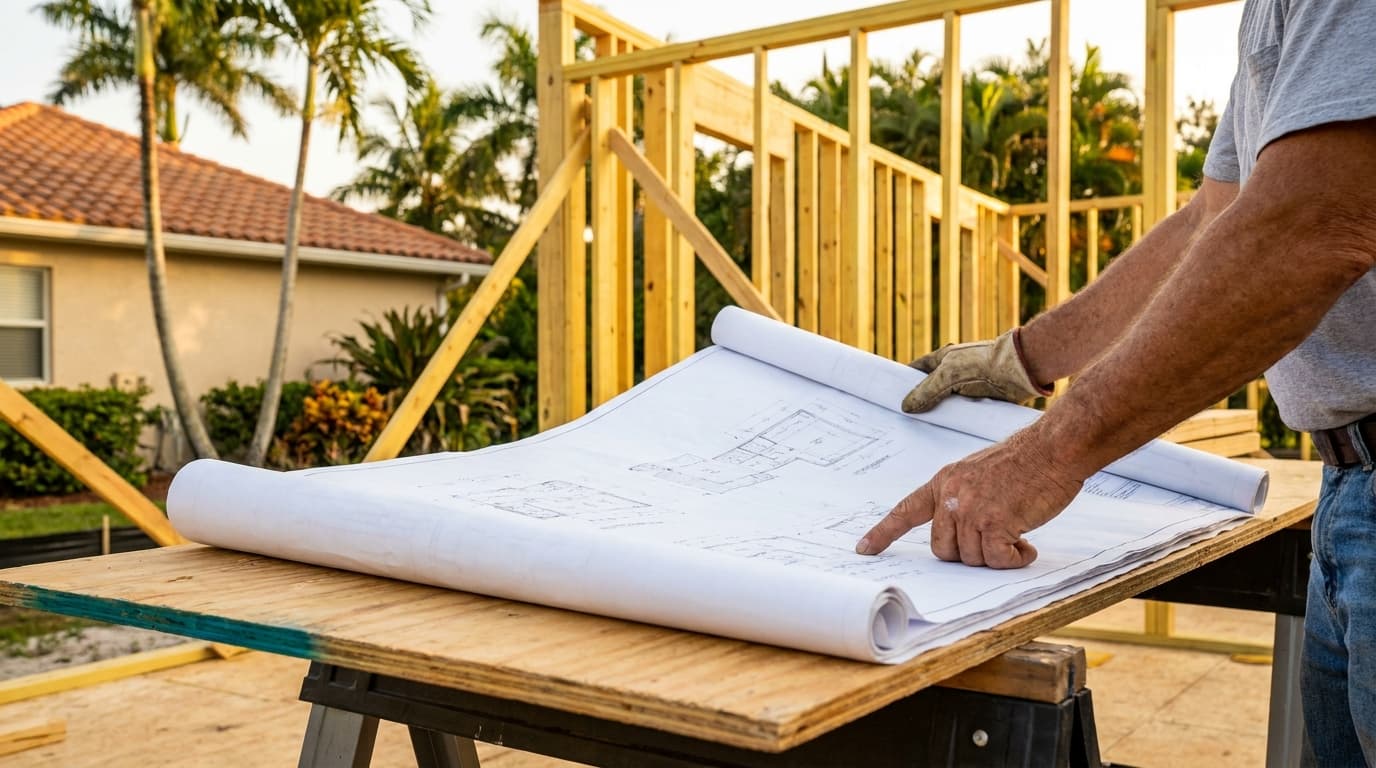

A lot of families arrive at aging in place remodeling the same way. No dramatic event. Just a weekend visit that makes a few things hard to ignore. A parent pauses before stepping into the tub. A spouse starts using the counter for balance. Someone avoids carrying laundry downstairs because the stairs feel less steady than they used to.
That's usually the moment when the conversation changes from “maybe someday” to “we need a plan.” Not a panic remodel. Not a whole-house gut job. A plan.
Done well, aging in place remodeling isn't one project. It's a phased strategy for reducing risk, protecting independence, and avoiding rushed decisions later. It helps you decide what needs to happen now, what should be roughed in for later, and what can wait unless health or mobility changes. That matters in a market this large. Americans spent about $603 billion on home remodeling in 2024, and homeowners age 65+ grew their share of that spending from 14% in 2003 to more than 27% in 2023, according to Harvard housing market data summarized here.
zing High-Impact Bathroom Remodels](#prioritizing-high-impact-bathroom-remodels)
- What a safer bathroom actually includes
- Make the kitchen work with the body
- Living spaces need clearer movement and better visibility
- Spend on risk reduction first
- Treat permits like safety documentation
- Credentials matter. Relevant project experience matters more.
- Questions that expose guessing fast
The Reality of Creating a Forever Home
A daughter notices her father using the towel bar to steady himself near the toilet. Her mother says the upstairs bedroom is still fine, but she's stopped carrying a basket down to the laundry room unless someone else is home. Nobody says “accessibility problem.” They say, “The house feels a little harder than it used to.”
That's the true beginning of a forever-home conversation. It rarely starts with a wheelchair plan. It starts with hesitation, fatigue, balance, grip strength, and routines that take more effort than they should.
The mistake I see most often is treating that moment like it requires one huge answer. It usually doesn't. Most homes need a sequence. First reduce the most likely hazards. Then improve daily function. Then build in options for the future without spending money on features that may never be needed.
A good aging in place remodeling plan should lower stress now, not just prepare for a hypothetical future.
Sometimes the right answer stays within the existing footprint. Sometimes the better answer is to create a more flexible living arrangement, especially if family support is part of the long-term plan. If you're weighing a detached space, conversion, or multigenerational layout, this practical look at expert guidance for ADU projects can help frame the decision before you commit to construction.
What homeowners need to hear early
The best forever homes don't look clinical. They look calm, workable, and forgiving on a hard day.
The Assessment Phase Planning for Today and Tomorrow
Before anyone talks tile, fixtures, or cabinet styles, walk the house like a problem solver. Aging in place remodeling works best when the decisions come from how the home is used, not from a generic checklist copied from the internet. The underserved issue here is phasing. Most advice focuses on a familiar set of universal design upgrades but doesn't explain what should happen first or how to avoid over-remodeling for an uncertain future, as noted in this discussion of phased whole-home planning.

If you want one place to organize room notes, utility locations, and proposed layout changes, a simple home site planning worksheet helps keep the assessment from turning into scattered sticky notes and half-remembered measurements.
Start with function not products
Go room by room and ask four plain questions:
That walkthrough should include the outside. A safe bathroom and an unsafe front walk is still an unsafe house. Entries, path lighting, threshold heights, and handrail continuity matter because risk starts before the front door opens.
Separate now decisions from later decisions
This approach enables homeowners to save money. Don't confuse “not needed today” with “ignore it.” Some work is cheap when the wall is open and expensive once finishes are complete.
A practical way to sort decisions is this table:
| Priority | Do it now | Plan for later |
|---|---|---|
| Immediate safety | Lighting fixes, trip hazard removal, better handholds, level transitions | Future lift or ramp location |
| Daily function | Bathroom access, kitchen hardware, easier faucets, bedroom location review | Cabinet reconfiguration if current setup still works |
| Hidden infrastructure | Wall blocking, electrical prep, wider rough openings when feasible | Specialty equipment tied to a later diagnosis |
Practical rule: Install the invisible infrastructure before you need the visible equipment.
Contractors should document assumptions in writing. If a homeowner says, “We don't need grab bars yet,” that doesn't end the discussion. It changes it. The right move may be to add blocking now so bars can be installed later without opening finished walls. The same logic applies to clear floor space, threshold planning, and fixture selection.
A strong assessment also considers more than one user. One spouse may manage stairs while the other doesn't. One may need seated showering later while the other cares more about storage and layout. If the remodel only works for one person, it isn't finished planning. It's partial planning.
Prioritizing High-Impact Bathroom Remodels
If I had to choose one room to address first in most aging in place remodeling projects, it would be the bathroom. Wet surfaces, tight clearances, rushed movements, and awkward transfers create too many ways for a small mistake to become an injury. The good news is that the fixes are well understood.

This isn't fringe work anymore. According to NAHB remodeling data, 87% of remodelers reported installing grab bars, 78% reported curbless showers, and 71% reported higher toilets. The same source notes that a specific protocol including a curbless shower and properly placed grab bars led to a 72% reduction in slip-related bathroom falls.
For homeowners collecting ideas before design starts, this guide to planning accessible bathroom renovations is useful because it shows how accessibility choices affect layout, not just fixture selection.
What a safer bathroom actually includes
A proper bathroom safety setup is more technical than “swap tub for shower.”
The core specifications matter:
Those details come from the verified technical methodology provided for bathroom safety in aging in place remodeling. If a proposal gives you beautiful renderings but none of those details, it isn't complete yet.
What contractors get wrong
Most failures come from two places. The first is layout. A shower can look open and still fail because the turning space wasn't preserved. The second is structural support. Grab bars installed into hollow wall areas without proper blocking may look finished on day one and fail when someone really leans on them.
A few red flags belong on every punch list:
If the contractor can't explain where the blocking goes, how the floor will slope, and how water will stay contained without a curb, keep asking questions.
Some homeowners need help visualizing the build sequence and fixture placement before approving the final scope. This video does a good job showing the practical side of accessible bathroom design.
A bathroom remodel should never feel like a design trend exercise. It should feel stable, easy to use, and forgiving when someone is tired, sore, or off balance.
Adapting Kitchens and Main Living Spaces
Bathrooms prevent injuries. Kitchens and living spaces preserve independence. If a person can prepare food, reach what they need, move from room to room without catching a toe, and use hardware without pain, they stay in control of everyday life longer.

Make the kitchen work with the body
Kitchen changes should start with the work zones used every day. Sink. Prep surface. Refrigerator. Cooktop. Storage for dishes and pans. If those five points demand reaching, twisting, or forceful gripping, the room wears people down.
The verified kitchen methodology gives clear targets:
Those aren't cosmetic preferences. They reduce strain and improve reach, visibility, and body position during routine tasks. According to the verified data tied to the Journal of Housing for the Elderly listing, lowering countertop heights to 34 inches and installing loop handles can increase independent meal preparation among users aged 70+ by 65%. The same data notes that 40% of elderly users fail to operate twist-knob faucets effectively.
A kitchen can be stylish and still be punishing. Good aging in place remodeling removes the punishment.
Living spaces need clearer movement and better visibility
Many houses become difficult not because of one dramatic barrier, but because of a chain of small frictions. A narrow turn into the bedroom. A rug edge at the hall. A dim stair landing. A favorite chair that's too low to stand from easily.
This part of the house benefits from straightforward edits:
| Area | What works | What doesn't |
|---|---|---|
| Pathways | Clear, level routes between rooms | Furniture pinch points and raised transitions |
| Lighting | Even light with low glare and strong task lighting | Dim corners and shadowy stair runs |
| Storage | Frequently used items between shoulder and waist height | Daily-use items stored high or low |
| Doors and hardware | Easy-grip handles and smooth operation | Tight clearances and stiff latches |
A contractor should also look at the boring details that are often overlooked. Thresholds. Swing direction. Outlet height. The clearance needed to turn and close a door without backing into something unstable. Those choices rarely show up in inspiration photos, but they decide whether the home feels workable.
For many households, the main living goal is simple. Make it possible to wake up, bathe, eat, relax, and sleep on one level with as little strain as possible. That may involve renovation. It may involve furniture changes and storage reorganization. Both count if they improve safety and function.
Budgeting Financing and Navigating Permits
Aging in place remodeling gets easier when you stop treating it like luxury remodeling. This is risk management. The point isn't to impress a future buyer. The point is to reduce the chance of a fall, preserve independence, and avoid emergency renovations done under stress.
That framing helps with budget decisions. A lot of public advice says these projects “add value,” but the harder question is which changes are worth doing when a home may need to be sold later. A more grounded view is laid out in this piece on aging-in-place upgrades and resale trade-offs, which argues that the best projects are often the ones that reduce fall risk and preserve independence, even when they're visually modest and may not be fully recovered at resale.
If you're trying to sanity-check line items before approving a bid, a fair price estimator for home projects can help you compare scope against local expectations.
Spend on risk reduction first
When money is limited, spend in this order:
Homeowners can overbuild. A full-room remodel may be justified. It also may be unnecessary if a smaller set of targeted changes solves the actual problem. On the other hand, underbuilding creates its own cost. If the wall is open and you skip low-cost prep work, you may pay twice later.
Treat permits like safety documentation
Permits frustrate people because they slow the calendar. They still matter. When work touches plumbing, electrical, structural changes, or layout changes that affect egress and safety, permits are often part of doing the job correctly.
A permit process does three useful things:
Don't let anyone tell you permit requirements are just paperwork. In accessibility work, permits often separate a documented safety upgrade from a guess hidden behind drywall.
Financing depends on the household, but the decision standard should stay the same. Fund the work that lowers risk and supports daily living first. If a beautiful finish package crowds out the safety scope, the budget is upside down.
Finding and Hiring a Verified Professional
A homeowner may know they need a safer bathroom. A contractor may see tile, fixtures, and a finish schedule. In aging-in-place work, those are not the same job. The contractor is being hired to reduce risk, protect function, and leave room for the next phase of the plan.
That changes how hiring should work.
A loose towel bar can be replaced on a punch list. A grab bar fastened into the wrong backing can fail when someone puts full body weight on it. Clearance errors around a toilet or shower entry can turn an expensive remodel into a daily frustration. This is why I tell homeowners to screen for judgment, not just presentation.

Start with the basics. Verify license status where your state requires it. Confirm insurance before work starts, not after a problem. Review the contractor's documentation, not just their reviews. If you want a plain-language explanation of what to check on the insurance side, this overview of Coverage Axis contractor insurance is useful.
Then get more specific.
Use a written contractor hiring checklist for aging-in-place remodeling interviews so each bidder is measured against the same standard. That keeps one polished salesperson from winning the job over a builder who actually understands backing, waterproofing, clearances, and permit scope.
Credentials matter. Relevant project experience matters more.
CAPS training has value. So do trade licenses. Neither one proves that a crew can execute a safe bathroom layout or protect usable clear floor space once drywall, tile, trim, and doors are installed.
Ask for completed projects that show details such as:
Photos help, but they are not enough. Good contractors can explain why they made each choice, what trade-offs they considered, and what they would do differently if mobility needs increase later.
Questions that expose guessing fast
A qualified contractor should be comfortable with direct questions. If the answers stay vague, that is useful information.
Strong answers include sequence, measurements, products, and inspection points. Weak answers drift toward reassurance and finish selections.
Hire the contractor who can explain the hidden work in plain language and connect it to safety, not the one who gives the best showroom pitch.
Also watch who the contractor listens to. These projects often involve a homeowner, an adult child, a spouse, and sometimes a caregiver or occupational therapist. If the contractor only responds to the person approving invoices and ignores the person who will use the space every day, the fit is wrong.
Aging-in-place remodeling works best when the contractor understands the larger strategy. Some work needs to happen now because it lowers immediate risk. Some work should be prepared now and finished later because that protects the budget. The right professional can separate those decisions clearly, price them accurately, and build a phased plan without treating every house like it needs a full gut remodel.
Your Home Your Future Your Terms
A successful aging in place remodeling plan doesn't begin with demolition. It begins with honesty. What's hard today. What might get harder later. What the budget can support now. What the house can realistically do without forcing expensive changes that don't solve the actual problem.
The best projects are phased, not rushed. Start with assessment. Fix the hazards most likely to cause injury. Improve the rooms that support daily independence. Put hidden infrastructure in place before the walls close. Then hire a contractor who can explain the technical choices, not just decorate them.
That approach protects more than resale value. It protects routine. Privacy. Confidence. The ability to stay in familiar space on your own terms.
If you're helping a parent, planning for your own future, or adjusting a home after a health change, don't wait for a crisis to make the decisions for you. Walk the house. Make the list. Sort the work into now, next, and later. That's how a house becomes a forever home without turning the process into fear-driven remodeling.
If you're ready to compare qualified pros or document your hiring process more carefully, HomeProBadge gives homeowners a practical way to review verified professionals, check proof of past work, and move into remodeling with more confidence.