
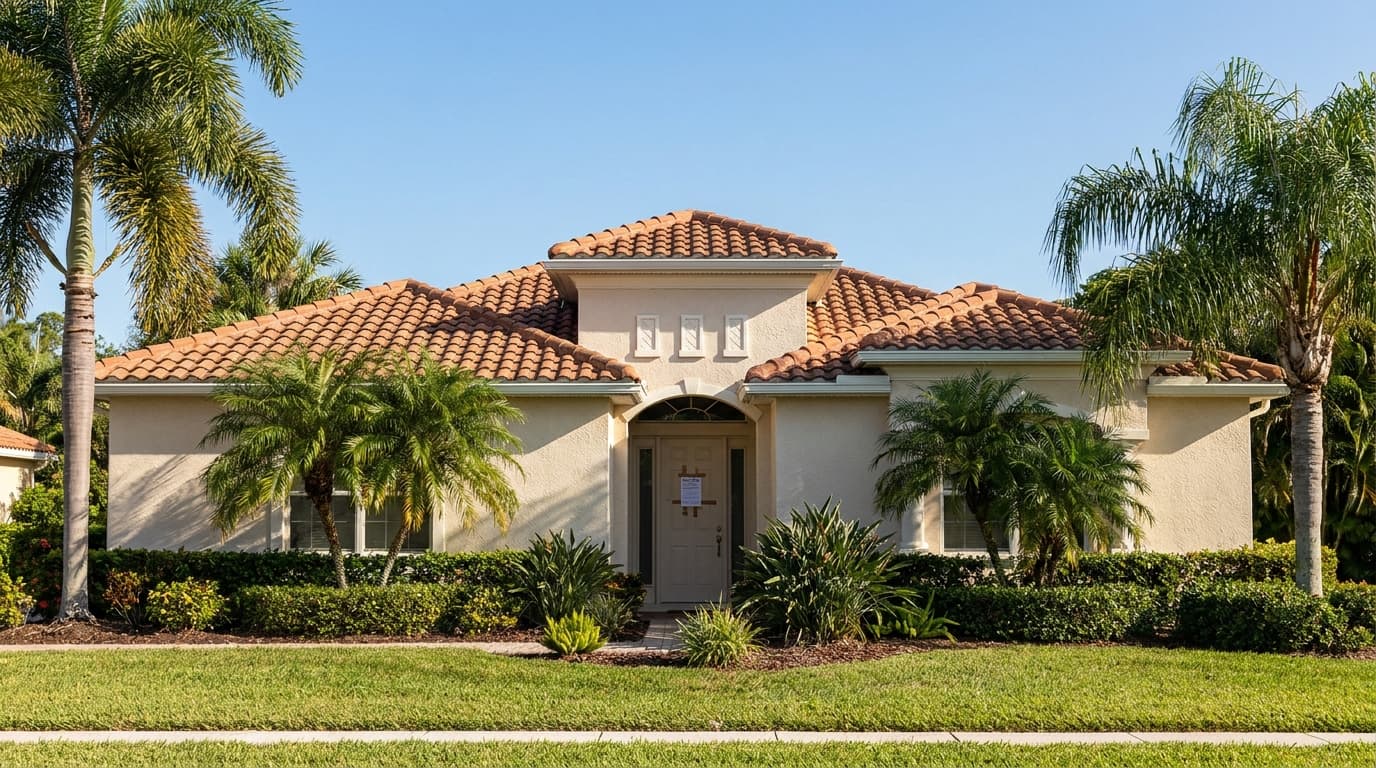
How to Resolve an Unpermitted Work Violation in Pinellas County, FL
Received a code enforcement notice in Pinellas County? Learn the exact steps to resolve unpermitted work violations, work with the building department, and get your home compliant.

If you've just received a code enforcement notice about unpermitted work at your Pinellas County home, take a breath. You're not alone—and more importantly, the violation is fixable. Thousands of Florida homeowners find themselves in this situation every year, often through no fault of their own. Maybe the previous owner did work without permits. Maybe a contractor cut corners. Or maybe you weren't sure if what you were doing required a permit in the first place.
The good news: Pinellas County has a clear, documented process for resolving unpermitted work violations. The bad news: ignoring the notice or missing deadlines can result in fines, liens on your property, and legal action. This guide walks you through exactly what you need to do—from the moment you receive that notice to the day your home passes final inspection.
Understanding the Notice: What You Just Received
When Pinellas County Code Enforcement sends you a violation notice, it's not a bill. It's a legal document. Understanding what it says is your first critical step.
What the Notice Contains
Your code enforcement notice will include:
Critical Warning: Do not ignore this notice. The deadline is legally binding. Missing it can result in daily fines (often $100-$500+ per day) and a lien placed on your property, which will prevent you from selling or refinancing.
The Three Compliance Pathways
Pinellas County typically gives you three ways to resolve an unpermitted work violation:
Most homeowners can resolve violations through retroactive permitting or variance requests.
Step 1: Respond to the Notice Immediately
Contact Your Code Enforcement Officer
Within 3–5 days of receiving the notice, call the code enforcement officer listed on the document. This is non-negotiable. Here's why:
Be polite, professional, and honest. Code enforcement officers have discretion in how strictly they enforce deadlines if you're actively working toward compliance.
Request a Written Explanation (If Unclear)
If the violation notice is vague (which happens), ask the officer for clarification in writing. This protects you and gives you documentation for permit applications.
Step 2: Determine What Permits and Inspections Are Needed
Before you can fix the violation, you need to know exactly what the building department will require. This varies wildly depending on the type of work.
Common Unpermitted Work in Pinellas County
| Type of Work | Typical Permit Requirements | Inspection Checkpoints |
|---|---|---|
| Room addition | Building, electrical, plumbing, mechanical | Foundation, framing, electrical rough-in, final |
| Roof replacement | Building permit | Sheathing and decking, final |
| Pool/spa | Building, mechanical, plumbing | Excavation, shell, equipment, final |
| Deck/patio | Building permit | Framing, final |
| Electrical work | Electrical permit | Rough-in, final |
| Plumbing work | Plumbing permit | Underground, rough-in, final |
| HVAC installation | Mechanical permit | Ductwork, equipment, final |
| Fence | Building permit (if required by height/type) | Post installation, final |
| Kitchen/bath remodel | Building, electrical, plumbing (usually all three) | Rough-in, final |
| Shed/outbuilding | Building permit | Foundation, framing, final |
Visit the Pinellas County Building Department
Location: Pinellas County Building Department, 400 South Fort Harrison Avenue, Clearwater, FL 33756
Phone: (727) 464-3000
You have two options:
The building department staff can also tell you:
Pro Tip: Document everything in writing. Take notes on who you spoke with, what they said, and when. If you email the building department, you'll have a written record—critical if there are disputes later.
Watch Related Videos on YouTube
unpermitted work violation Pinellas County Florida how to fix guide
Step 3: Hire a Licensed Contractor (When Required)
Florida Statute 553 requires that certain work—electrical, plumbing, HVAC, and roofing—must be performed by licensed contractors. Other work (framing, drywall, painting) can sometimes be done by the homeowner.
When You Must Hire a Licensed Contractor
Mandatory contractor work:Finding a Qualified, Verified Contractor
When hiring someone to help with retroactive permitting or corrective work, verify their credentials:
A contractor with HomeProBadge verification has passed background checks and annual re-verification, giving you extra assurance they're legitimate and trustworthy.
The Contractor's Role in Retroactive Permitting
Your contractor will:
Some contractors specialize in bringing homes into compliance after code violations—they're worth their weight in gold for situations like yours.
Step 4: Apply for Retroactive Permits
Retroactive permitting is the most common solution. You're essentially getting permission (after the fact) for work that was already done.
What Retroactive Permits Require
You'll typically need:
The Retroactive Permit Process in Pinellas County
Step 4a: Submit the ApplicationSubmit your completed application, plans, and payment to:
Pinellas County Building Department 400 South Fort Harrison Avenue Clearwater, FL 33756Or online at PinellasCounty.org/Permitting (if online submission is available for your project type).
The building department will review your application for completeness. If incomplete, they'll issue a list of deficiencies—you then have a specified time to provide missing items.
Step 4b: Plan ReviewOnce your application is deemed complete, the building department conducts a plan review. They check:
This can take 2–4 weeks, depending on complexity and department backlog.
Step 4c: Address Plan Review CommentsIf the reviewer finds issues (code violations, incomplete plans, etc.), you'll receive a "Plan Review Comment Report." You then have a set time (usually 15 days) to revise the plans or address the comments.
Key Point: This back-and-forth is normal. Don't panic if your plans don't pass the first review. Most projects require revisions.Step 4d: Permit Issuance
Once the plans are approved, the building department issues your permit. You'll receive:
Scheduling Inspections
Once your permit is issued, you must schedule inspections for the work. Common inspection points:
Call the Pinellas County Building Department to schedule. Inspections are typically done within 1–3 business days of your request.
Inspection Tip: Be present during inspections. The inspector can point out any code issues immediately, and you can get them fixed before the next inspection.
Step 5: Pass Inspections and Obtain Certificates of Compliance
This is the finish line. Your work must pass all required inspections, and then you'll receive a Certificate of Compliance.
What Inspectors Check
Inspectors verify:
If Your Inspection Fails
If work doesn't pass inspection, the inspector will issue a "Notice of Non-Compliance" detailing what needs to be fixed. You then have time (usually 15–30 days) to:
This is normal. Most first-time failures are minor (missing fasteners, spacing issues, etc.).
When You Pass
Congratulations! You'll receive:
Keep copies of your Certificate of Compliance and all inspection reports. You'll need them if you ever sell the home or refinance.
Step 6: If Your Work Doesn't Meet Current Code: Request a Variance
Sometimes, unpermitted work was done to older code standards that don't meet today's requirements. In these cases, you have options:
Option A: Bring the Work Up to Current Code
This is the standard path. Your contractor updates the work to meet current Florida Building Code, you get a permit, and you pass inspection.
Option B: Request a Variance
If updating the work is structurally impossible or prohibitively expensive, you can request a variance from Pinellas County. A variance is an official exception that says, "We know this doesn't meet code, but we're allowing it anyway based on unique circumstances."
Variance requirements:Variances are harder to obtain than retroactive permits, and they're usually a second resort. Discuss with your contractor or a code consultant whether a variance is realistic for your situation.
Common Mistakes to Avoid
Mistake 1: Waiting Too Long to Respond
The moment you get a violation notice, start the clock. Every day you delay is a day closer to fines and liens.
Mistake 2: Hiring an Unlicensed Contractor for Licensed Work
If you hire an unlicensed electrician, plumber, or roofer to do corrective work, you're creating a second violation. The building department will catch it during inspection.
Mistake 3: Trying to Hide the Work
Some homeowners try to patch over unpermitted work or hide it during inspections. This always backfires. Inspectors are trained to spot the signs. Be honest. It's far easier to get retroactive permits than to get caught lying.
Mistake 4: Not Getting Everything in Writing
When you talk to code enforcement or the building department, follow up conversations with emails summarizing what you discussed. This creates a paper trail.
Mistake 5: Assuming a Permit Isn't Required
When in doubt, ask the building department. Guessing wrong costs far more than the permit fee.
Timeline: How Long Will This Take?
The total time from receiving a violation notice to obtaining a Certificate of Compliance varies, but here's a realistic estimate:
If you're proactive and work with a knowledgeable contractor, you'll be on the faster end of this spectrum.
Pinellas County Resources
Pinellas County Building DepartmentGetting Help: When You Need Expert Guidance
Navigating unpermitted work violations can be overwhelming, especially if:
In these cases, consider:
FAQ: Unpermitted Work Violations in Pinellas County
Q: Can I sell my house if I have an unpermitted work violation?
A: Technically, yes—but buyers will likely discover the violation during their inspection or title search. Most lenders will not finance a home with unresolved code violations. Your best move is to resolve the violation before listing. If you've already sold and the buyer discovered the violation, you may be liable for the cost of correction.Q: What if the previous owner did the unpermitted work?
A: You're still the property owner, so you're responsible for resolving it. However, you may have recourse against the previous owner through your purchase agreement or warranty deed. Consult a real estate attorney.Q: How much will retroactive permits cost?
A: Permit fees vary based on project scope. A simple electrical permit might cost $100–$300. A room addition could cost $1,000–$5,000+. Call the building department for an estimate based on your specific work.Q: Can I appeal a code enforcement notice?
A: Yes. Pinellas County has an appeals process. You typically have 15–30 days to file an appeal with the county. Consult with a local attorney if you believe the violation was issued in error.Q: What if I can't afford to fix the unpermitted work?
A: You have limited options. You can:Ignoring the violation is not an option—fines and liens will accumulate.
Q: How often does the building department conduct reinspections?
A: You can request a reinspection after corrections are made. Inspections are typically scheduled within 1–3 business days of your request. There may be a small fee per reinspection in some cases.Q: Do I need a permit for a small repair?
A: Generally, repairs don't require permits. Replacements and alterations often do. When in doubt, ask the building department. It's free to ask and costs money to guess wrong.Q: What is Florida Statute 553?
A: Florida Statute 553 is the Florida Building Code—the state-level building code that all Florida counties must follow (they can be more restrictive, but not less). It covers everything from electrical spacing to structural requirements. Pinellas County adopts the Florida Building Code and adds local amendments. Any retroactive permit or inspection will reference this statute.Q: Can code enforcement officers enter my home without permission?
A: Code enforcement can observe violations from public areas (streets, sidewalks, visible from the property line). To enter your home, they generally need permission or a court-issued warrant. If they want to enter, you can request they return with a warrant. You have rights—don't be intimidated.Q: What happens if I ignore the violation notice entirely?
A: You'll face:Ignoring the notice is the most expensive path. Dealing with it now saves money and stress.
Q: Can I get a temporary Certificate of Occupancy while awaiting final inspection?
A: In rare cases, Pinellas County may issue a temporary Certificate of Occupancy if the work is substantially complete and safe. Ask your code enforcement officer or the building department. This is discretionary.Final Thoughts: You Can Resolve This
Receiving a code enforcement notice about unpermitted work is stressful. But it's not a catastrophe. Thousands of Florida homeowners have been exactly where you are—and they've resolved it. You can too.
The key is to act quickly, be honest with the building department, hire qualified professionals when needed, and follow the process step-by-step. By doing so, you'll transform a violation into a closed case—and a home that's officially compliant and safer for your family.
Start today. Call the code enforcement officer listed on your notice. Document the conversation. Then take the next step. Every day you move forward is a day closer to resolution.
Get a County-Specific Action Plan
If you want detailed, step-by-step guidance tailored specifically to your Pinellas County violation, HomeProBadge offers AI-generated Permit Violation Action Plans. These guides are customized to your county, violation type, and situation—giving you a clear roadmap from code enforcement notice to Certificate of Compliance.
Visit HomeProBadge.com to access Pinellas County-specific resources, verified contractor directories, and your personalized action plan. You'll also find verified, background-checked professionals in Pinellas County ready to help you navigate this process.
You're not alone in this. Let's get your home compliant.
Disclaimer
Not legal or professional advice. The information in this article is provided for general educational purposes only and does not constitute legal, financial, regulatory, or professional advice of any kind. HomeProBadge and ScreenForge Labs LLC are not law firms and do not provide legal services. Nothing on this site creates an attorney-client relationship. Always consult a licensed attorney, contractor, or qualified professional in your jurisdiction before making decisions based on information found here.
AI-assisted content. This article was researched and drafted with the assistance of artificial intelligence. The author, Matthew Luke, contributed his perspectives, editorial judgment, and subject-matter opinions to shape the content — but portions of the writing, research, and structure were generated or refined using AI tools. We believe in transparency about how our content is made.