
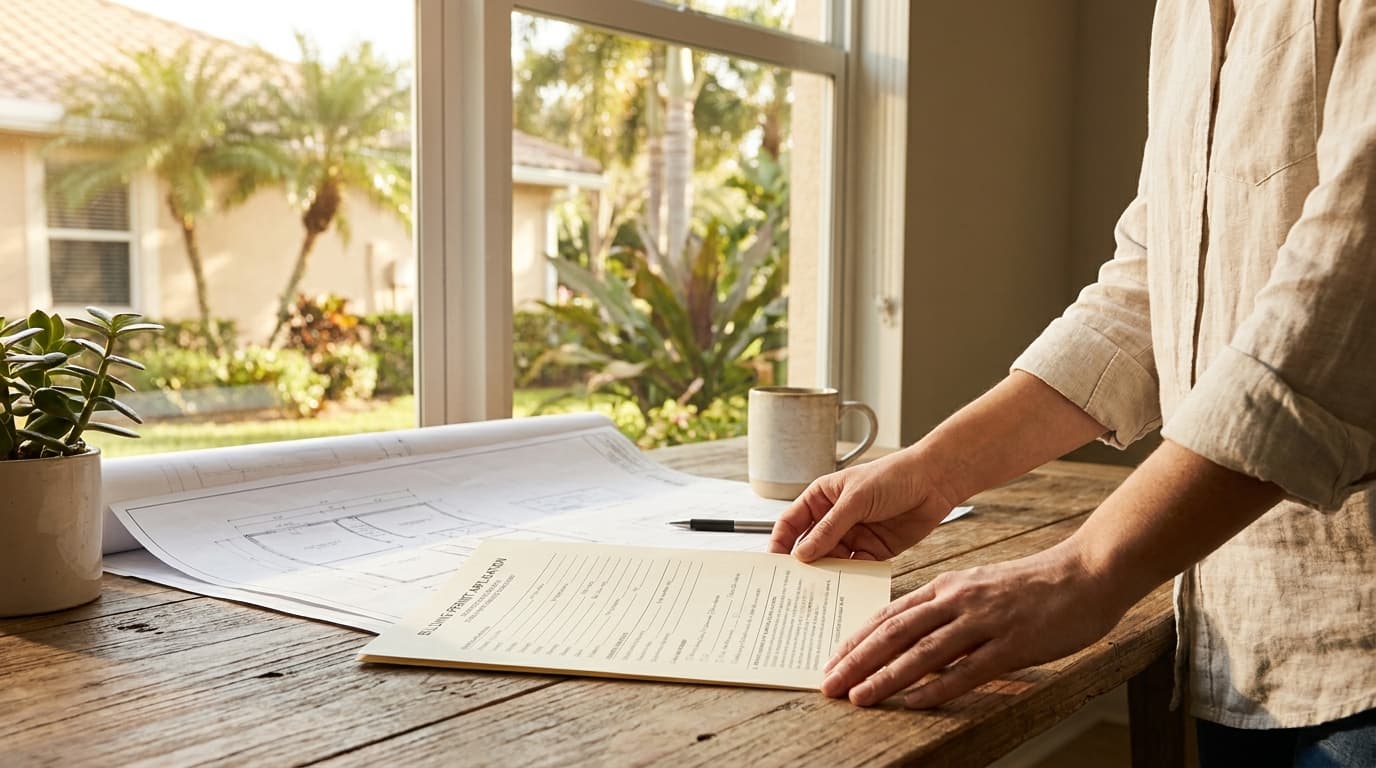
Understanding Pinellas County Building Permits: A Florida Homeowner's Complete Guide
Learn what Pinellas County building permits are, why they matter, and how to fix unpermitted work. Step-by-step guide for homeowners facing code enforcement.

If you've recently received a notice from Pinellas County Code Enforcement, or you've discovered that work on your home was done without the proper permits, you're not alone—and you're probably feeling anxious. Unpermitted work is one of the most common issues homeowners face in Florida, and Pinellas County is no exception. The good news: understanding how the system works and taking action early can turn a stressful situation into a manageable one.
This guide walks you through everything you need to know about Pinellas County building permits—what they are, why they're required, how much they cost, and most importantly, how to fix violations if you're facing them. Whether you're a new homeowner discovering old unpermitted additions or someone dealing with a recent code violation notice, you'll find practical, county-specific answers here.
What Is a Building Permit and Why Does Pinellas County Require Them?
A building permit is an official authorization issued by Pinellas County that allows property owners to legally perform construction or renovation work. It's not just bureaucratic red tape—permits exist to protect you, your home's safety, and your property value.
Florida Statute 553.79 requires that most construction work in the state comply with the Florida Building Code (based on the International Building Code). Pinellas County enforces these standards through its Department of Development Services, which reviews and approves permit applications before work begins and inspects work as it progresses.
Why Permits Matter for Your Home
Safety is the primary reason. Permitted work requires inspections at key stages (framing, electrical, plumbing, final) to ensure installations meet code. Unpermitted electrical work, for example, can create fire hazards. Unpermitted structural additions may not be built to withstand Florida's wind and flood loads—a critical issue in Pinellas County. Resale and insurance are secondary but serious concerns. When you sell your home, a title search often reveals unpermitted work. Buyers' lenders may require remediation before financing. Insurance companies can deny claims related to unpermitted work. Some insurers won't renew policies if unpermitted work is discovered. Your property value depends on it. Homes with unpermitted work typically appraise lower and sell slower. Lenders won't finance purchases with significant unpermitted structures.Key Warning: Ignoring a code enforcement notice doesn't make it go away. Pinellas County can levy daily fines, place liens on your property, and in extreme cases, pursue legal action. Address violations early.
Types of Work That Require Pinellas County Building Permits
Not every home project requires a permit, but most do. Understanding which work needs one is critical because homeowners often unknowingly hire contractors who skip permits to save money.
Work That Almost Always Requires a Permit
Work That May Be Permit-Exempt in Pinellas County
Minor repairs and maintenance typically don't require permits if they don't alter structure, electrical, plumbing, or HVAC systems. Examples include:
Pro Tip: When in doubt, contact Pinellas County Development Services. A 10-minute call saves thousands in potential fines and remediation costs.
The Gray Areas
Some projects fall into gray zones depending on scope. Bathroom renovations might be permit-exempt if only cosmetic, but require permits if plumbing or electrical is altered. Kitchen remodels almost always require permits due to electrical, plumbing, and gas work.
Watch Related Videos on YouTube
Pinellas County Florida building permits homeowner guide how to fix guide
Pinellas County Permit Requirements and Application Process
Understanding the application process gives you confidence and helps you work effectively with contractors or the county directly.
Documents You'll Need
When applying for a Pinellas County building permit, prepare:
Step-by-Step Application Process
| Step | Action | Timeline |
|---|---|---|
| 1 | Gather documents and prepare plans | 1-2 weeks |
| 2 | Submit application to Pinellas County Development Services (online, mail, or in person) | Immediate |
| 3 | County performs plan review for code compliance | 10-15 business days (standard) |
| 4 | Receive approval or requests for revisions | — |
| 5 | Pay permit fees | Upon approval |
| 6 | Receive permit; post on job site | — |
| 7 | Schedule inspections as work progresses | Before, during, after work |
| 8 | Final inspection and approval | Within 7 days of request |
Where to Submit Applications
Pinellas County Development Services (Main Office)2751 Gray Street
Tampa, FL 33609
Phone: (813) 274-3700
Website: pinellascounty.org/development
Applications are accepted online, by mail, or in person. Online submission is fastest and allows you to track progress.
Pinellas County Building Permit Costs and Fees
Permit costs vary significantly based on project type and construction value. Understanding fee structure helps you budget and spot contractor overcharges.
Fee Structure
Pinellas County bases most permit fees on the estimated construction cost of the project:
Example Costs
Cost Consideration: Permit costs are typically 1-3% of total project cost. Contractors who skip permits to save money are creating liability worth far more than permit fees—often $10,000-50,000+ in remediation if violations are discovered later.
Timeline: How Long Does Pinellas County Permitting Take?
Timeline varies by project complexity, but here's what to expect:
Standard Timeline
Expedited Review Options
Pinellas County offers expedited plan review for an additional fee (typically 50-100% of standard review fee). This can reduce review time to 5-7 business days for projects that meet certain criteria.
Why Timelines Slip
What Happens If You Have Unpermitted Work: Code Enforcement
If Pinellas County Code Enforcement discovers unpermitted work, you'll receive a notice. Understanding the process reduces panic and helps you respond effectively.
How Code Enforcement Gets Involved
The Notice and Response
You'll receive a Code Enforcement Notice specifying:
Your Options
Option 1: Obtain a Retroactive Permit and Pass InspectionsThis is the preferred solution. You apply for a permit retroactively, have an inspector evaluate the existing work, and make any corrections needed to meet code.
Process:
Timeline: 4-12 weeks depending on work complexity and required fixes
Cost: Varies; inspection + corrections can range $500-5,000+ depending on violation severity
Option 2: Remove the Work EntirelyIf the work cannot be brought to code or correction is cost-prohibitive, the county may require removal.
When this applies: Structural additions built incorrectly, work in protected areas, dangerous installations
Timeline: 30-90 days
Cost: Full removal + restoration; often $5,000-25,000+
Option 3: Formal Appeal or Variance RequestIf you believe the violation citation is incorrect, you can request a hearing before the Code Enforcement Board.
When this applies: You dispute that a permit was required, or the work actually complies with code
Timeline: 30-60 days
Success rate: Low unless you have strong evidence the work is code-compliant or exempt
Penalties for Non-Compliance
Failing to respond to a code enforcement notice escalates consequences:
Critical Action Step: If you receive a Code Enforcement Notice, respond within the timeline specified. Ignoring it guarantees escalating fines and complications.
Florida Statute 553 and Pinellas County Building Code Compliance
Understanding the legal framework helps explain why the county is so serious about permits.
Florida Statute 553.79: Building Code Requirements
Florida Statute 553.79 requires that all construction in Florida comply with the Florida Building Code (FBC). Pinellas County has adopted the FBC with county-specific amendments. Key provisions:
Why This Matters for Pinellas County Specifically
Pinellas County is in a high-wind zone (Hurricane Zone 1-2) and has flooding risks. The building code is more stringent here than in inland Florida counties. Unpermitted structural additions may not meet wind-load requirements, creating hazards and insurance issues.
Contractor Hiring: How to Ensure Your Contractor Pulls Permits
Most homeowners discover unpermitted work because they trusted a contractor to "handle everything" without verifying permit status.
Warning Signs of a Contractor Likely to Skip Permits
How to Verify Contractor Legitimacy
Contract Language to Require
Your contract should explicitly state:
Selling Your Home: How Unpermitted Work Affects the Sale
If you're planning to sell and have unpermitted work, understanding how it impacts the transaction is critical.
Title Search and Disclosure
During purchase, title companies and lenders often discover unpermitted work through:
Florida law requires sellers to disclose known defects, including unpermitted work, in the Property Disclosure Statement. Failing to disclose can result in legal liability post-sale.
Typical Buyer and Lender Requirements
Most buyers and all conventional lenders will:
Timeline Impact
Resolving unpermitted work before listing:
Resolving after offer accepted:
Getting Help: Pinellas County Resources
Pinellas County Development Services Contact Information
Main Phone: (813) 274-3700 Email: development@pinellascounty.org Website: pinellascounty.org/development Office Hours: Monday-Friday, 8:00 AM-4:30 PM (closed county holidays) Address: 2751 Gray Street, Tampa, FL 33609What They Can Help With
What They Cannot Do
Getting Your Permit Violation Action Plan at HomeProBadge
If you've received a Code Enforcement Notice or discovered unpermitted work, the next step is creating a clear action plan tailored to your specific situation and Pinellas County requirements.
HomeProBadge generates county-specific Permit Violation Action Plans that outline:These AI-generated plans are based on your property type, violation type, and Pinellas County's specific code enforcement procedures—saving you hours of research and stress.
You'll also gain access to HomeProBadge's verified contractor directory, where you can search for identity-verified and background-checked professionals in Pinellas County by trade (electrician, plumber, general contractor, etc.). Each contractor's profile includes before/after job portfolios and verified reviews, so you're confident hiring someone legitimate who won't repeat past mistakes.
The cost? Your action plan is affordable and far cheaper than a single code enforcement fine. It's designed to help you resolve violations quickly and affordably—and prevent future problems.Next Steps: Your Action Plan
Take these steps today:
If You Haven't Received a Notice Yet
If You've Received a Code Enforcement Notice
If You're Selling Soon
Conclusion: You Have Options
Receiving a code enforcement notice or discovering unpermitted work is stressful, but it's not a crisis if you respond promptly and correctly. Pinellas County provides a clear path to remediation—retroactive permits, inspections, and corrections—that allows most homeowners to bring their property into compliance without demolition or legal consequences.
The key is acting quickly, understanding your options, and hiring the right professionals. Use the resources in this guide—Pinellas County Development Services, licensed contractors, and tools like HomeProBadge's action plans—to resolve the issue efficiently.
Your home is likely your biggest asset. Addressing permit violations now protects that investment, ensures safety, and prevents far costlier problems down the road.
Disclaimer
Not legal or professional advice. The information in this article is provided for general educational purposes only and does not constitute legal, financial, regulatory, or professional advice of any kind. HomeProBadge and ScreenForge Labs LLC are not law firms and do not provide legal services. Nothing on this site creates an attorney-client relationship. Always consult a licensed attorney, contractor, or qualified professional in your jurisdiction before making decisions based on information found here.
AI-assisted content. This article was researched and drafted with the assistance of artificial intelligence. The author, Matthew Luke, contributed his perspectives, editorial judgment, and subject-matter opinions to shape the content — but portions of the writing, research, and structure were generated or refined using AI tools. We believe in transparency about how our content is made.